Jet washing can completely transform outdoor surfaces, but deciding between professional jet washing vs DIY is not always straightforward. While DIY can work for light cleaning, professional services are often safer and more effective for deeper stains, delicate materials, or larger areas.
In this guide, we break down when you can handle jet washing yourself, when it is better to bring in an expert, and how to avoid common mistakes that could cost you time or money.
The Quick Answer For Homeowners
For small, lightly soiled areas, DIY jet washing can be enough if you have the right equipment and use it carefully. However, professional jet washing is usually the better choice for heavy staining, moss or algae buildup, fragile surfaces, or jobs that involve height or risk.
Most decisions come down to:
- The condition of the surface
- The type of material you are cleaning
- Your experience with pressure washing equipment
- The potential risk of damage
When DIY Jet Washing Makes Sense
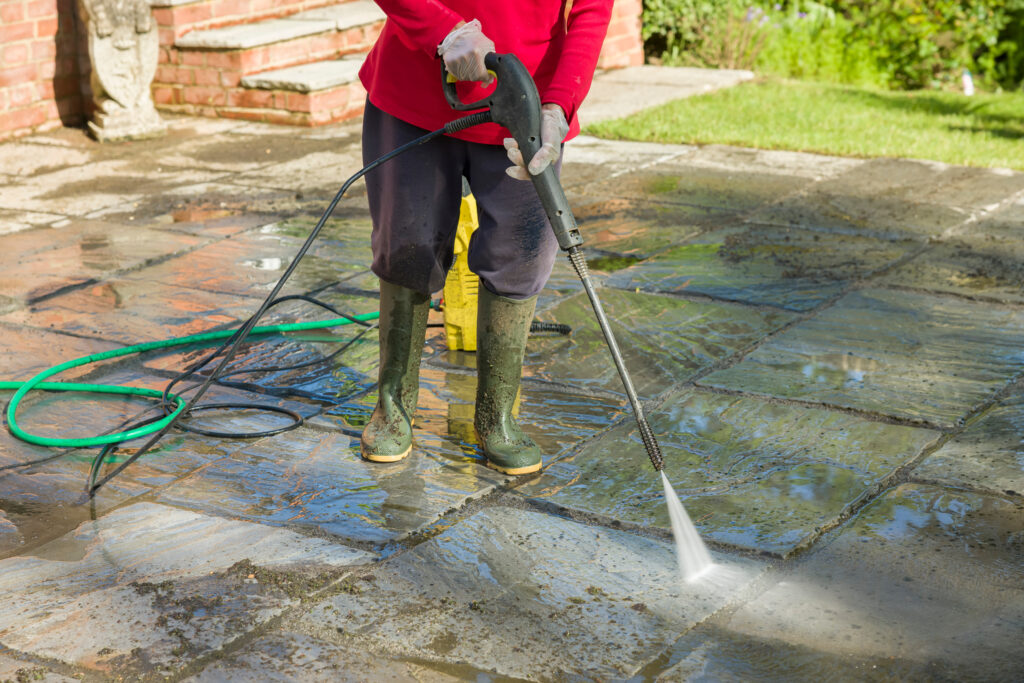
DIY pressure washing can be a practical option in certain situations, especially for general upkeep.
Light Dirt & Surface Cleaning
If you are dealing with dust, mild grime, or early discolouration, a standard domestic pressure washer can improve the appearance without much risk.
Small & Accessible Areas
Garden paths, small patios, or short driveways are often manageable if you can safely reach all areas and control the pressure.
Routine Maintenance Between Cleans
A quick clean once or twice a year can help maintain surfaces between more thorough professional treatments.
When You Should Consider Professional Jet Washing
Some jobs require more than just a basic pressure washer. This is where professional experience and equipment make a clear difference.
Heavy Moss, Algae, or Slippery Surfaces
Moss and algae not only look unsightly but can also create safety hazards. Professional cleaning removes buildup more thoroughly and helps restore grip.
Deep Stains & Oil Marks
Oil, black spots, and embedded grime often need specialist treatment. Domestic machines may struggle to remove these effectively.
Delicate or Older Surfaces
Brickwork, stone, and older materials can be damaged by high pressure. Professional methods such as soft washing are often safer.
Decking, Fencing & Painted Areas
Too much pressure can strip finishes, damage wood fibres, or leave visible streaks. These surfaces need a controlled approach.
Gutter Cleaning & High-Level Work
Cleaning gutters is not just about pressure washing. It involves access and safety risks. Professional systems like SkyVac allow safe cleaning from the ground.
You can learn more about this here:
Professional Gutter Cleaning Using SkyVac
DIY Vs Professional Jet Washing: What Is The Real Difference?
Cost Considerations
DIY may seem cheaper, but costs can add up when you factor in equipment, cleaning products, time, and potential repairs. Professional services offer value through efficiency and quality.
Quality Of Results
DIY cleaning can leave uneven lines or missed spots. Professional jet washing provides a more consistent and deeper clean.
Safety & Risk
Pressure washers can cause injury or damage if used incorrectly. Professionals understand how to manage risks safely.
Time & Effort
What looks like a simple job can take hours, especially when preparing, cleaning, and clearing up afterwards.
Surface Protection
Using incorrect pressure can damage joints, surfaces, or finishes. Professionals adjust techniques depending on the material.
Common DIY Pressure Washing Mistakes To Avoid
Even confident DIY users can run into problems. Common mistakes include:
- Using too much pressure
- Holding the nozzle too close
- Cleaning unevenly, leaving streaks
- Removing jointing sand from paving
- Forcing water into unwanted areas
- Using incorrect cleaning solutions
- Attempting unsafe work at height
If you are unsure, it is always safer to seek advice before starting.
Is Jet Washing Safe For Driveways?
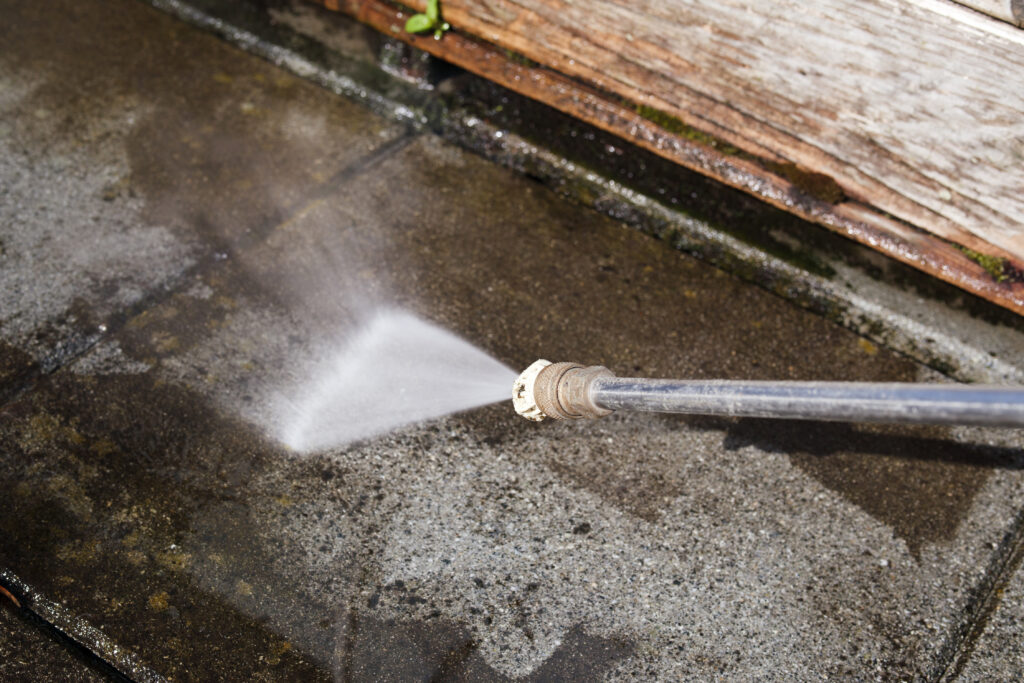
Jet washing is generally safe when done correctly, but different driveway materials require different approaches.
Block paving, concrete, and stone can all be cleaned effectively, but incorrect pressure can cause damage. For surfaces with heavy staining or wear, professional cleaning is often the safest option.
Learn more about safe driveway cleaning here:
What About Patios & Decking?
Patios and decking are among the most commonly cleaned outdoor surfaces, but they also require care.
Patios can develop algae and staining, while decking can become slippery. Too much pressure can damage both, especially wood and composite materials.
For more complex cleaning needs, see:
How Often Should You Jet Wash?
Most outdoor surfaces benefit from cleaning once or twice a year, depending on conditions.
Typical guidelines include:
- Driveways: annually or as needed
- Patios: before spring or summer use
- Decking: when slippery or visibly dirty
- Gutters: seasonally, especially after autumn
Properties exposed to damp or shaded conditions may need more frequent cleaning.
When DIY Is Enough & When To Call A Professional
DIY May Be Suitable If
- The surface is in good condition
- Dirt is light and easy to remove
- The area is small and accessible
- You have the right equipment
- There is minimal risk involved
Professional Help Is Recommended If
- The surface is delicate or worn
- Staining is heavy or embedded
- The area is large or complex
- Safety is a concern
- You want long-lasting, high-quality results
What Professionals Offer Beyond Equipment
Professional jet washing is not just about stronger machines. It involves understanding different surfaces, selecting the right cleaning method, and delivering consistent results without causing damage.
At MJ Jetwashing Solutions, we combine modern equipment with practical experience to deliver safe and effective cleaning for a wide range of surfaces. This includes everything from driveways and patios to gutters, brickwork, and windows.
Explore the full range here:
FAQs
Yes, especially for larger areas, heavy dirt, or delicate surfaces where results and safety matter.
Yes, incorrect pressure or technique can damage materials. Always match the method to the surface.
It can be for small jobs, but hidden costs and risks can reduce the savings.
It is safer to use professional equipment designed for this purpose rather than attempting risky DIY methods.
Avoid freezing, wet, or windy conditions, as these can increase risk and reduce effectiveness.
Making The Right Choice For Your Property
DIY jet washing can work for basic cleaning, but it is not always the best option. For deeper cleaning, delicate materials, or larger areas, professional services offer better results and peace of mind.
If you are unsure which option is right for your property, you can always get advice or discuss your needs here: